
Security Camera Placement Guide: Where to Install Cameras for Maximum Protection in Houston
Every week, Houston homeowners contact Savvy Surveillance with the same frustrating story: their security cameras recorded a break-in, but the footage proved useless because the thief stayed in blind spots the entire time. The homeowner had cameras installed, felt secure, and assumed they were protected until the moment they actually needed that protection and discovered their cameras documented nothing useful. The equipment worked perfectly, the recording quality was fine, but the cameras were pointing at all the wrong places.
Camera placement determines whether your security system protects your property or just creates an expensive false sense of security. A single properly positioned 4K camera captures more useful footage than four cameras placed randomly around your property. Professional installers understand that effective surveillance isn't about camera quantity, it's about strategic positioning that eliminates blind spots, captures identifying details, and documents the activity that matters for security, insurance, and law enforcement purposes.
This comprehensive guide reveals the science and strategy behind optimal camera placement for Houston properties. You'll learn to think like both a security professional and a criminal, identifying the critical coverage areas that determine whether your system prevents crimes or simply records your vulnerabilities. Whether you're planning a new security camera installation or evaluating an existing system's effectiveness, understanding proper placement transforms surveillance from a passive recording system into an active protective barrier that actually defends your Houston property.
Make it stand out
Whatever it is, the way you tell your story online can make all the difference.
Why Camera Placement Matters More Than Camera Quality
Homeowners obsess over camera specifications like resolution, night vision, and smart features while ignoring the fundamental reality that determines security effectiveness: a camera pointed at the wrong place captures nothing useful, regardless of its technical capabilities. The most expensive 4K camera with color night vision and AI detection produces worthless footage when thieves enter through areas the camera doesn't cover. Meanwhile, a properly positioned 1080p camera capturing all entry approaches provides infinitely more security value than expensive equipment aimed at empty yards.
The Blind Spot Reality Most Homeowners Miss
Burglars spend time observing properties before attempting break-ins, specifically looking for blind spots where they can approach without being recorded. Professional criminals understand camera placement patterns better than most homeowners, recognizing that people typically mount cameras pointing straight outward from the house rather than angling to eliminate approach blind spots. This predictable pattern creates consistent vulnerabilities that experienced thieves exploit methodically.
Houston properties face particular blind spot challenges due to Texas construction patterns favoring attached garages, side entry doors, and extensive outdoor living spaces like covered patios. Standard front-door and back-door camera placement leaves entire sides of homes completely unmonitored, allowing intruders to approach side doors, garage service entries, or windows without ever appearing on camera. The homeowner reviews footage after a break-in expecting to see the criminal, only to realize the person stayed entirely within blind spots from approach through escape.
Corner mounting positions eliminate many common blind spots by providing 180-degree coverage rather than the 90-110 degree views produced by mid-wall mounting. A camera mounted at the corner junction of two walls captures both wall faces simultaneously, documenting anyone approaching from either direction. This positioning requires fewer cameras to achieve complete coverage, making corner mounting both more effective and more economical than proliferating mid-wall cameras that each cover limited areas.
Height and Angle Optimization
Camera mounting height dramatically impacts both image quality and tamper resistance. The optimal range of 8-10 feet balances multiple competing factors that lower or higher mounting cannot achieve. Heights below 8 feet make cameras easily accessible for tampering, spray painting lenses, or stealing equipment. Houston properties need tamper-resistant installations because criminals familiar with security systems will disable cameras before proceeding with theft if they can reach them easily.
Mounting above 10 feet reduces image detail for facial recognition and identification purposes. The increased camera-to-subject distance requires higher resolution to maintain the same level of identifying detail. Additionally, steep downward angles from excessive height create top-of-head views rather than facial captures, making prosecution difficult even when footage shows someone was present. Law enforcement needs clear facial features, clothing details, and behavioral characteristics that high mounting positions sacrifice.
The angle of camera aim matters as much as mounting height for capturing useful footage. Cameras should tilt 15-30 degrees downward from horizontal, providing optimal facial capture for subjects at typical heights while maintaining enough horizon visibility to show approaching activity. Steeper downward angles (45+ degrees) capture ground-level detail but miss faces and create compressed perspective that makes distance judgment difficult. Shallower angles sacrifice close-range detail for distant visibility that rarely matters for residential security purposes.
Coverage Overlap Strategy
Professional security camera installations create overlapping fields of view ensuring that every critical area appears in at least two camera frames. This redundancy provides multiple angles of the same activity, making footage more compelling for prosecution and insurance claims while creating backup if one camera malfunctions or gets disabled. The overlap strategy transforms individual cameras into an integrated system rather than a collection of independent recording devices.
Overlapping coverage particularly matters at entry points where thieves can position themselves to avoid one camera's direct view. A doorbell camera monitoring the front porch provides valuable visitor identification, but a second camera angled from the side captures anyone deliberately avoiding the doorbell camera's direct lens view. This dual-angle approach eliminates the "hat and hoodie" evasion tactic where criminals keep faces down relative to door-mounted cameras while remaining identifiable to side-mounted cameras capturing profile views.
Essential Coverage Areas for Houston Homes
Houston's residential construction patterns, property layouts, and climate create specific security vulnerabilities that camera placement must address. Single-story ranch homes dominate many neighborhoods, while two-story colonials and contemporary designs characterize newer developments. Each architectural style presents distinct coverage challenges requiring customized camera positioning rather than generic placement recommendations that ignore property-specific factors.
Front Entry Complete Documentation
The front entry encompasses more than just the door itself, requiring comprehensive coverage from street to threshold documenting the entire approach sequence. Statistics consistently show that 34% of burglars enter through front doors, making this the single highest-priority coverage area for any residential security system. However, most homeowners under-camera front entries by focusing only on the immediate porch area while ignoring the driveway, walkway, and street approaches.
A properly protected front entry requires minimum two cameras providing complementary coverage angles. The primary camera mounts above or beside the front door capturing close-range facial detail of anyone standing on the porch. This camera serves as both security monitoring and visitor identification for deliveries, service personnel, and guests. Doorbell cameras excel in this role by combining camera functionality with two-way audio communication and doorbell notification integration.
The secondary front entry camera mounts at a corner position covering the entire front yard, driveway approach, and street view. This camera captures license plates of vehicles parking in front of the property, documents people approaching from the street before they reach the porch, and provides wide-area coverage showing where subjects came from and where they go after visiting. The wide-angle perspective complements the doorbell's close-up view, creating comprehensive front entry documentation from initial approach through departure.
Side Entry Vulnerability Elimination
Houston homes frequently feature side entry doors providing direct garage access or leading to backyard outdoor living areas. These doors represent critical security vulnerabilities that most homeowners completely ignore when planning camera coverage. Criminals specifically target side entries knowing that homeowners rarely monitor these areas despite their providing easy property access once someone gets past the front visibility zone.
Side entry camera placement proves challenging because the narrow spaces between houses limit mounting options and create awkward angles that produce either excessive blind spots or poor image quality. The optimal solution mounts cameras at front and rear corners angled to cover the full length of the side area rather than attempting mid-side mounting that creates blind spots at both ends. This front-and-rear coverage approach ensures that anyone walking along the side of the house appears on camera regardless of their direction of travel.
Corner-mounted side coverage cameras serve double duty by also monitoring front yard or backyard areas adjacent to the corners where they're mounted. This multi-zone coverage from corner positions demonstrates why corner mounting provides superior efficiency compared to mid-wall positions that can only cover single areas. A four-camera system with all cameras mounted at corners can provide complete perimeter coverage that mid-wall placement would require six or more cameras to achieve.
Backyard and Patio Protection
Houston's mild climate encourages extensive outdoor living spaces including covered patios, outdoor kitchens, swimming pools, and entertainment areas that represent substantial property value requiring protection. Statistics show that 22% of burglars enter through back doors, and backyard access provides concealment for extended periods while criminals work on forced entry without neighbors or street traffic observing their activity.
Backyard camera coverage must balance security monitoring with privacy concerns for family activities in outdoor living spaces. Cameras positioned to monitor back doors, gates, and perimeter fences provide security without creating surveillance of normal patio use where families reasonably expect privacy. The distinction matters both for family comfort and for legal compliance with privacy expectations that prohibit invasive monitoring of areas where people have reasonable privacy expectations.
Multi-level homes require elevated camera mounting for backyard coverage that avoids ground-level installation where vegetation, furniture, and activity create constant view obstructions. Second-floor mounting under eaves or soffits provides clear sight lines over pool equipment, patio furniture, and landscaping that blocks ground-level cameras. Houston's intense summer sun makes shade mounting under eaves essential for preventing heat damage to cameras, a critical consideration often overlooked in placement planning.
Driveway and Vehicle Monitoring
Vehicle theft and vehicle break-ins plague Houston neighborhoods, with the city experiencing one of the nation's highest vehicle theft rates at 762 stolen vehicles per 100,000 residents. Driveway camera coverage deters criminals targeting vehicles while documenting license plates of suspicious vehicles slowly cruising neighborhoods looking for opportunities. Clear driveway coverage proves essential for insurance claims when vehicles or contents are stolen from residential properties.
Driveway camera placement requires balancing license plate capture capability against whole-area monitoring showing vehicle and subject activity. Dedicated license plate cameras mount at low angles relative to the driveway approach, positioning the camera to capture front and rear plates at the near-perpendicular angles required for reliable plate reading. However, these specialized angles sacrifice overall area coverage, requiring separate general monitoring cameras providing wide driveway views.
Most Houston driveways benefit more from general coverage cameras documenting vehicles, subjects, and activity rather than dedicated license plate readers that serve limited purposes for residential applications. General coverage at 8-10 foot heights with 15-30 degree downward angles captures sufficient plate detail for most purposes while also monitoring the entire driveway approach, vehicle contents visible through windows, and subjects entering/exiting vehicles. This comprehensive coverage serves multiple security objectives rather than the single-purpose focus of specialized plate readers.
Garage Security Requirements
Attached garages present unique security challenges because they provide direct home access once criminals defeat the garage door or service entry. Many Houston families leave garage doors partially open during pleasant weather for ventilation, creating invitation opportunities for quick-grab thefts of tools, bicycles, and stored items. Even closed garages face vulnerability from service doors that receive far less security attention than main house entries despite providing equally effective property access.
Garage camera coverage must include both exterior monitoring showing garage door and service door approaches plus interior coverage documenting what's stored in the garage and whether doors are properly closed. Exterior cameras mount above garage doors or at adjacent corners, capturing subjects approaching the garage and vehicles entering/leaving the driveway. These cameras also document whether garage doors are left open, a common oversight that creates preventable theft opportunities.
Interior garage cameras monitor service doors leading to yards or homes, document stored valuables, and capture interior activity if intruders defeat exterior doors. Interior mounting in garage corners away from the service door provides whole-garage coverage while keeping cameras out of easy reach from the door entry point. POE camera systems prove particularly effective for garage installations given the simple wiring from house network equipment through attics to garage positions.
Commercial and Business Camera Placement
Small business security requirements differ substantially from residential needs due to higher theft risks, employee monitoring considerations, customer traffic documentation, and liability protection requirements. Houston businesses face elevated property crime rates compared to residential areas, with commercial properties experiencing break-in rates 4-5 times higher than single-family homes. This elevated risk justifies more extensive camera coverage than residential installations typically require.
Customer Entry and Transaction Areas
Business entry areas require comprehensive coverage documenting all customer traffic from entrance through checkout or transaction completion. This coverage serves multiple purposes beyond basic security, including customer count tracking, traffic flow analysis, and documentation for disputed transactions or liability claims. The multi-purpose nature of business cameras makes proper placement even more critical given the various requirements footage must satisfy.
Entry camera positioning must capture clear facial views of all customers entering the business, impossible to achieve with ceiling-mounted cameras that only show tops of heads. Wall-mounted cameras positioned slightly above eye level across from entry doors capture faces as customers enter while avoiding the awkward downward angles that ceiling positions create. Multiple entry doors require dedicated cameras for each door to ensure no customers enter without clear facial capture.
Transaction counter cameras document point-of-sale interactions from angles showing both customer and employee faces plus register screens and cash handling. This comprehensive transaction coverage protects businesses from both external theft (customers) and internal theft (employees) while documenting interactions for resolving disputes about transactions, returns, or service complaints. The dual-angle coverage requires cameras positioned behind registers filming customers and separate cameras filming the opposite direction to capture employee activity.
Inventory and Storage Protection
Retail inventory and business storage areas represent high-value targets for both external and internal theft. Studies show that 29% of retail inventory shrinkage results from employee theft, making comprehensive storage area coverage essential for detecting and prosecuting internal theft before losses reach damaging levels. Houston businesses report that internal theft often exceeds external theft losses, justifying extensive monitoring of employee-accessible areas.
Storage area camera placement must eliminate blind spots where employees or intruders can conceal theft activity. High corner mounting provides optimal coverage of storage spaces because the elevated position prevents shelving, equipment, or inventory from creating blind spots at ground level. Multiple cameras with overlapping coverage ensure that even if subjects position themselves to avoid one camera's direct view, they remain visible to other cameras covering the same area from different angles.
Loading dock and receiving area coverage documents all inventory entering the business, protecting against delivery fraud, receiving errors, and theft during the vulnerable transfer period when merchandise moves between delivery vehicles and secure storage. Cameras covering loading areas must capture both interior and exterior activity documenting what arrives, who handles it, and where it goes inside the facility. This complete chain of custody documentation proves essential for resolving inventory discrepancies and theft investigations.
Perimeter and After-Hours Monitoring
Commercial property perimeters face after-hours vulnerability when buildings stand empty and exterior access goes unmonitored by employees. Houston's numerous warehouse and industrial districts experience elevated property crime specifically targeting businesses during overnight hours when criminals can work undisturbed for extended periods. Comprehensive perimeter monitoring with cameras covering all exterior walls and potential access points deters most opportunistic criminals while documenting serious attempts for law enforcement investigation.
Perimeter camera positioning requires different approaches than entry-focused residential coverage because commercial properties often have extensive roof access, multiple exterior doors, and large parking areas that create numerous potential intrusion points. The goal is creating visible perimeter coverage that criminals observe while planning, discouraging attempts rather than simply documenting crimes after they occur. Strategic lighting integration with cameras enhances this deterrent effect by ensuring potential intruders see that the entire perimeter is illuminated and monitored.
Parking lot coverage protects both business property and customer/employee vehicles, reducing liability risks when crimes occur on business property. Houston businesses face increasing pressure to provide adequate parking lot security as courts hold property owners liable for preventable crimes on their premises. Comprehensive parking coverage requires elevated mounting positions providing clear sight lines over parked vehicles, ideally pole-mounted cameras at 15-20 feet creating bird's-eye views of entire parking areas.
Common Placement Mistakes That Undermine Security
Even expensive, high-quality camera systems fail to provide adequate security when homeowners and businesses make common placement mistakes that create blind spots, compromise image quality, or waste cameras on useless coverage areas. Understanding these frequent errors helps property owners avoid predictable problems that undermine their security investments.
The Mid-Wall Placement Problem
Mounting cameras in the middle of walls represents one of the most common and most damaging placement mistakes homeowners make. Mid-wall mounting creates blind spots on both sides of the camera where subjects can approach the wall undetected by staying close to the structure. This creates the absurd situation where someone can walk directly under a camera, tamper with it, or proceed to nearby entry points without ever appearing in the camera's field of view.
The mid-wall trap stems from homeowners thinking about cameras as "seeing out" from the house rather than understanding that cameras need to capture activity approaching the house from any direction. The psychological focus on what's in front of the camera causes neglect of what's beside and behind the camera position. Professional installers never use mid-wall mounting except in very specific situations where architectural features or wiring limitations make corner mounting impossible.
Corner mounting eliminates this entire category of blind spot vulnerability by positioning cameras where they can see along both adjacent walls simultaneously. A single corner-mounted camera replaces two mid-wall cameras while providing superior coverage with no blind spots along the walls it monitors. The corner position also offers better protection against tampering because subjects approaching from either direction remain visible to the camera much longer than the brief window available when approaching mid-wall positions.
Aiming at Useless Areas
Many homeowners waste cameras pointing at areas that provide no security value, like empty yards, middle-of-driveway views with no distinguishing features, or fences where nobody walks. These cameras record footage continuously but capture nothing useful because nobody ever enters those empty spaces unless already captured by other cameras covering entry routes. The wasted camera could provide valuable coverage elsewhere if repositioned to monitor actual security vulnerabilities.
The useful-area problem stems from failing to think through how criminals actually approach and enter properties. Criminals don't materialize in the middle of empty yards, they walk through yards from entry points at property perimeters or gates. Cameras should focus on these approach routes and entry points rather than the empty spaces between them. Similarly, driveway cameras should cover the entry approach where vehicles enter from the street rather than the middle section where every vehicle passes while already documented entering.
Determining which areas need coverage versus which can be ignored requires walking your property from the street to all entry points, noting what someone approaching would pass through or walk past. Those routes and those entry points need camera coverage. The empty spaces between routes where people never walk don't need cameras because they serve no security function. This methodical approach to coverage planning prevents wasting cameras on useless areas while leaving actual vulnerabilities unmonitored.
Lighting and Sun Exposure Problems
Houston's intense sunlight creates camera placement challenges that property owners in moderate climates don't face. Cameras pointed toward the sun at any time of day produce washed-out footage where subjects appear as dark silhouettes against bright backgrounds. The camera's automatic exposure adjusts for the bright sky, making everything else too dark to capture useful detail. This renders the camera nearly useless during the hours when sun appears in its field of view.
Proper sun exposure management requires understanding sun paths throughout the day and seasons, then positioning cameras to avoid direct sun in their fields of view. North-facing cameras avoid direct sun entirely in the Northern Hemisphere, making northern exposures ideal when placement flexibility exists. East and west exposures face morning and afternoon sun respectively, requiring awareness that footage quality degrades during those periods unless cameras mount under deep eaves or soffits providing shade from direct sunlight.
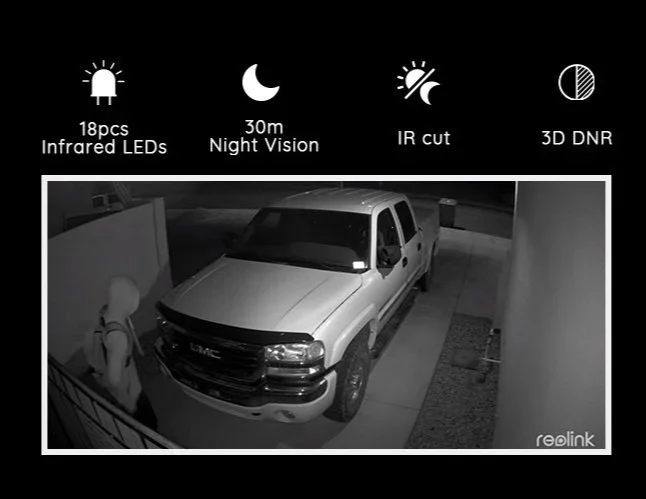
Nighttime lighting proves equally critical for camera effectiveness yet homeowners often neglect this factor during installation planning. Cameras with excellent night vision capabilities still require some light to function, whether infrared illumination or ambient light from street lights, porch lights, or landscape lighting. Positioning cameras where motion-activated lights will illuminate subjects improves night footage quality dramatically compared to relying solely on camera infrared that provides limited range and black-and-white footage.
WiFi Range and Interference Issues
WiFi camera installations fail more often from connectivity problems than any other single cause. Homeowners place cameras in locations with inadequate WiFi signal strength, then experience constant disconnections, failed recordings, and frustration with systems that technically work but practically don't because connectivity proves unreliable. Houston's brick construction, stucco exteriors, and metal siding all degrade WiFi signals substantially compared to wood-frame homes with vinyl siding.
Testing WiFi signal strength at proposed camera locations before mounting equipment prevents this entire category of problems. Simple smartphone apps measure WiFi strength in the exact spot where cameras will mount, revealing whether existing signal suffices or whether boosters, mesh networks, or wired connections become necessary. This 10-minute testing prevents hours of troubleshooting after installation when cameras already mounted prove unable to maintain reliable connections.
POE camera systems avoid WiFi problems entirely by using wired ethernet connections for both power and data transmission. This eliminates connectivity issues, provides faster and more reliable data transmission, simplifies installation by requiring only single cable runs, and delivers power to cameras without batteries or nearby electrical outlets. For new installations or major upgrades, POE systems solve so many problems that WiFi causes that the additional installation complexity proves worthwhile for the superior reliability achieved.
Professional Installation vs DIY: When Each Makes Sense
The decision between professional security camera installation and DIY approaches depends on property complexity, system sophistication, technical capabilities, and the value placed on optimal coverage versus lower initial investment. Both approaches can succeed or fail depending on execution quality and whether the chosen method matches the specific situation.
When Professional Installation Provides Clear Value
Complex properties with multiple entry points, challenging architectural features, and extensive coverage requirements benefit substantially from professional installation where experienced installers apply proven placement strategies refined through hundreds of previous installations. Multi-story homes, properties with detached structures, and commercial applications all represent situations where professional expertise delivers results that DIY attempts struggle to achieve.
Houston's climate creates installation challenges that professionals address through proper weatherproofing, heat-resistant mounting, and hurricane-proof installation techniques that DIY installations often neglect. Hurricane-resistant camera installations require specialized mounting brackets, weatherproof connections, and protective measures that professionals implement routinely but DIY installers discover only after storm damage destroys improperly installed equipment.
System integration with home networks, proper cable routing through attics and walls, professional-grade mounting hardware, and comprehensive system testing all receive attention from professional installers while frequently getting overlooked or executed inadequately in DIY installations. The immediate cost savings of DIY installation often evaporate when poor placement, inadequate weatherproofing, or connectivity problems require service calls and reinstallation to correct DIY mistakes.
When DIY Installation Makes Practical Sense
Simple installations with 1-3 cameras covering straightforward layouts support DIY approaches that avoid professional installation expenses while achieving adequate security coverage. Single-story homes with clear entry point identification, good WiFi coverage, and straightforward mounting locations allow capable homeowners to achieve satisfactory results without professional assistance. Battery-powered wireless cameras particularly suit DIY installation by eliminating wiring complexity that challenges non-professional installers.
Staged installation approaches where homeowners start with basic coverage then add cameras incrementally as needs become apparent work well with DIY methods. This gradual expansion allows learning from initial installation experiences, adjusting placement based on actual performance, and spreading costs over time rather than incurring large upfront installation expenses for comprehensive systems. Professional installation typically requires committing to complete coverage plans upfront, while DIY permits experimental approaches and learning through iteration.
Property owners with technical backgrounds, previous installation experience, or strong DIY skills can achieve professional-quality results with consumer equipment by applying careful planning, proper tools, and attention to detail that successful DIY projects require. Online resources, manufacturer support, and installation communities provide guidance that makes sophisticated DIY installations practical for motivated homeowners willing to invest time in planning, learning, and careful execution.
Frequently Asked Questions
What's the minimum number of cameras needed for effective home security?
Most Houston homes achieve effective security coverage with 4-6 cameras strategically positioned at front entry, back entry, driveway, and garage areas. The exact number depends on property size, architectural layout, and number of potential entry points requiring monitoring. Larger properties, homes with multiple levels, or properties with extensive outdoor areas require additional cameras for comprehensive coverage. The critical factor is positioning cameras to eliminate blind spots rather than achieving any specific camera count.
Corner mounting positions typically require fewer total cameras than mid-wall mounting because each corner camera covers two wall faces simultaneously. Professional installation planning identifies optimal camera positions that maximize coverage while minimizing camera count, delivering both security effectiveness and budget efficiency. Starting with core entry point coverage then adding cameras for blind spots and secondary areas provides practical staged installation approach.
How high should cameras be mounted for optimal effectiveness?
The optimal mounting height range of 8-10 feet balances facial recognition capability, tamper resistance, and coverage area. Heights below 8 feet make cameras easily accessible for tampering, spray painting, or theft by criminals who can reach them from ground level or with minimal effort. Houston properties require tamper-resistant installations because experienced criminals will disable accessible cameras before proceeding.
Mounting above 10 feet sacrifices facial detail for increased mounting security, creating steep downward angles that capture tops of heads rather than faces. Law enforcement needs clear facial features for investigations, making the 8-10 foot range optimal for both protection and identification. Commercial applications with higher ceilings may require different approaches, but residential installations should maintain this range for best results.
Should cameras be visible as deterrents or hidden for catching criminals?
Visible cameras provide superior deterrent value for residential applications because most property crime is opportunistic rather than targeted. Criminals seek easy targets and will bypass properties with obvious camera coverage for nearby properties lacking visible security. Making cameras clearly visible signals that your property is protected, discouraging most potential criminals from attempting entry.
Hidden cameras serve specific purposes in situations requiring evidence collection without alerting subjects that they're being monitored, but these applications rarely apply to residential security. Businesses occasionally use hidden cameras for internal theft investigation, but residential properties gain more security value from deterrence than from catching criminals after crimes occur. The goal is preventing crimes rather than documenting them, making visible deterrent installation the preferred approach for most Houston homes and businesses.
How do I prevent sun glare from ruining camera footage?
Sun glare management requires positioning cameras so they never point directly at the sun during any time of day. North-facing cameras avoid direct sun entirely in the Northern Hemisphere, making northern exposures ideal when placement flexibility exists. East and west exposures face morning and afternoon sun respectively, requiring awareness that footage quality may degrade during those hours unless cameras mount under deep eaves providing shade.
South-facing cameras in Texas experience full sun exposure throughout the day, requiring protective positioning under eaves, soffits, or porch overhangs that block direct sunlight while allowing cameras to monitor areas below. Installing cameras in shaded positions rather than direct sun also protects equipment from Houston's intense heat that can damage electronics and shorten camera operational life. Consider sun paths throughout the year when planning camera positions, as summer sun angles differ substantially from winter angles affecting exposure patterns.
Can I use outdoor cameras indoors for better durability?
Outdoor cameras work perfectly well indoors and often provide superior durability compared to indoor-only models. The weatherproofing, impact resistance, and robust construction designed for exterior use translates to longer operational life in the controlled indoor environment. Many professional installers use outdoor-rated cameras throughout properties regardless of interior or exterior mounting locations for consistency and reliability.
The reverse does not apply, indoor-only cameras should never be used in outdoor locations where weather exposure will cause rapid failure. Houston's humidity, temperature extremes, and occasional severe weather require properly weatherproofed equipment for any exterior installation. Using outdoor cameras indoors provides flexibility for future system modifications and ensures all cameras meet the highest durability standards regardless of current mounting locations.
