
The True Cost of Lifetime Service: Why Free Maintenance Beats Monthly Monitoring Fees
When shopping for security camera systems in Houston, most homeowners receive quotes that look deceptively affordable at first glance. A salesperson explains that you'll pay a small monthly fee for professional monitoring, cloud storage, and ongoing support. The initial equipment seems reasonably priced or even free with a contract. Everything sounds convenient and manageable until you calculate what those monthly payments actually cost over the years you'll own the system.
This is the subscription model trap that dominates the residential security camera industry in 2025. Companies structure pricing to minimize the immediate financial commitment while maximizing long-term revenue extraction from customers who rarely calculate the total cost of ownership. Meanwhile, a small number of companies offer lifetime service with no monthly fees, a fundamentally different business model that delivers dramatically better value for Houston homeowners willing to look beyond the initial sticker shock.
This comprehensive analysis reveals the real financial differences between subscription-based security systems and lifetime service models. We'll examine what you're actually paying for with monthly fees, calculate true costs over realistic ownership periods, identify hidden expenses in subscription contracts, and explain why professional security camera installation with lifetime support represents superior value for most Houston residential and small business applications.
Make it stand out
Whatever it is, the way you tell your story online can make all the difference.
Understanding the Subscription Security Camera Model
The monthly subscription approach to home security has exploded in popularity over the past decade as companies discovered that recurring revenue streams generate far more profit than one-time equipment sales. Ring, Nest, Arlo, SimpliSafe, and dozens of other brands have trained consumers to accept that security cameras require ongoing payments just like phone service or streaming entertainment. This normalized subscription expectation allows companies to charge customers indefinitely for services that could be provided without monthly fees.
What Monthly Fees Actually Cover
Subscription-based security systems claim to provide multiple valuable services justifying their ongoing fees. Cloud video storage tops the list, with companies storing your camera footage on remote servers accessible from anywhere. Professional monitoring services promise that trained operators watch for alerts and contact emergency services when needed. Mobile app access allows remote viewing of live feeds and recorded clips. Automatic firmware updates keep equipment current with the latest features and security patches. Technical support provides troubleshooting assistance when equipment malfunctions or connectivity issues arise.
However, examining these services reveals that most provide minimal actual value to typical Houston homeowners. Cloud storage sounds convenient until you realize that local storage on SD cards or network video recorders provides identical functionality without monthly fees. The recordings stay in your home where you control them rather than on servers owned by corporations that may change access policies, raise prices, or shut down entirely. Professional monitoring creates a false sense of security when response times often exceed 10-15 minutes, far too slow to prevent theft or apprehend intruders in most residential break-ins.
Mobile app functionality represents perhaps the most egregious element of subscription pricing. Viewing your own cameras from your own phone on your own internet connection requires zero ongoing expense for the security company, yet they charge monthly fees to unlock this basic capability. The actual cost to provide app functionality approaches zero after initial development, making these charges pure profit extraction from customers who have no alternative if they want remote access to their purchased equipment.
The Contract Commitment Problem
Most subscription-based security services require multi-year contracts, typically 36 months for professional installation packages. These contracts lock customers into pricing and service terms that may change over time, with annual rate increases common industry practice. Companies like ADT, Vivint, and professionally installed systems from major brands enforce these contracts through early termination fees that can total 75% or more of remaining monthly payments. A homeowner signing a three-year monitoring agreement commits to thousands in total payments, yet canceling after 18 months could still cost hundreds.
The contract structure creates a captive customer base unable to leave without financial penalty even if service quality deteriorates, pricing increases, or better alternatives emerge. Houston homeowners who relocate during their contract period face difficult choices, unable to take professionally installed systems to new homes but still obligated to continue payments. Some companies offer relocation services, but these typically require new installation fees and contract extensions, effectively restarting the subscription cycle.
Contract renewal practices further demonstrate how subscription models extract maximum value from customers. Many agreements auto-renew unless canceled within specific windows, often 30-60 days before expiration. Customers who miss these narrow cancellation windows find themselves automatically committed to additional contract terms, sometimes at increased rates compared to initial pricing. This intentionally complicated cancellation process keeps revenue flowing from customers who simply wanted to evaluate alternatives but failed to navigate the bureaucratic requirements for ending service.
Hidden Costs Beyond Monthly Fees
The advertised monthly monitoring rate represents only part of the total subscription expense. Activation fees ranging from typical amounts for new service create immediate costs beyond equipment and installation charges. Cloud storage plans often tier based on number of cameras or retention duration, with basic packages providing inadequate storage for comprehensive security coverage. Upgrading to actually useful storage capacity can double the base monthly fee, a detail frequently omitted during initial sales presentations.
Video quality limitations in basic subscription tiers force many customers toward premium plans for acceptable resolution. Companies offering 4K cameras often restrict that capability to higher-priced subscription packages, meaning you purchased expensive equipment whose full capabilities unlock only with ongoing fee increases. Professional security camera installation should provide access to all equipment features you paid for, not hold core functionality hostage behind subscription paywalls.
Equipment upgrade cycles create additional hidden expenses in subscription models. When your three-year-old cameras become obsolete or malfunction, subscription companies offer "free" replacements, but only if you extend your contract for another multi-year term. This cycle ensures customers never escape the subscription trap, constantly restarting contract commitments to maintain functional equipment. Meanwhile, companies phase out support for older models, effectively forcing upgrades to maintain compatibility with current app versions and cloud services.
The Lifetime Service Alternative
Lifetime service security camera systems operate on a fundamentally different business model that prioritizes equipment quality and customer satisfaction over recurring revenue extraction. Companies offering lifetime service make their money on equipment sales and professional installation, then provide ongoing support at no additional charge because they've built sustainable margins into the initial transaction. This aligns company incentives with customer interests, as the provider succeeds only by delivering equipment that continues functioning for years without constant service calls.
What Lifetime Service Actually Includes
Savvy Surveillance's lifetime service provides comprehensive ongoing support at no monthly cost to Houston customers. This includes free troubleshooting assistance for any technical issues that arise, from connectivity problems to software configuration questions. Camera firmware updates remain free for the equipment's operational life, ensuring security patches and feature enhancements without subscription requirements. System expansion and modification receive the same support as initial installation, whether you're adding cameras, upgrading recorders, or reconfiguring coverage.
Equipment failures within normal operating parameters trigger free service calls where technicians diagnose issues, repair components when possible, or facilitate warranty replacements if covered. This support continues regardless of how long you've owned the system, providing genuine lifetime assistance rather than time-limited warranty coverage that expires exactly when equipment typically begins experiencing problems. Houston's challenging climate, with extreme heat, humidity, and occasional hurricane conditions, makes long-term support particularly valuable for outdoor camera installations.
The financial value of lifetime service grows substantially over extended ownership periods. Equipment that receives ongoing support without subscription fees maintains its protective value indefinitely, while subscription systems lose functionality the moment you stop paying monthly charges. A doorbell camera system with lifetime service continues operating at full capability 5, 7, or 10 years after installation, accumulating zero additional costs beyond the initial investment. Subscription models charge continuously throughout that same period, making the lifetime option progressively more valuable every month you own the system.
Local Storage Advantages
Lifetime service systems rely on local video storage using network video recorders or SD cards rather than cloud subscriptions. This approach provides multiple advantages that cloud storage advocates conveniently ignore. First, local storage eliminates monthly fees entirely while providing unlimited recording capacity constrained only by hard drive size. A typical 4-camera system with a 2TB recorder captures several months of continuous footage, far exceeding the 7-30 day retention most cloud services provide in basic subscription tiers.
Local storage keeps your video footage under your direct control rather than trusting corporate cloud servers with sensitive recordings of your property and family activities. POE camera systems with local recording cannot be remotely accessed without your explicit permission, providing privacy protection impossible with cloud-based solutions where companies control server access. Internet outages don't interrupt local recording, whereas cloud systems stop capturing footage the moment connectivity drops, a critical vulnerability during storms or deliberate internet disruption by intruders.
The one-time cost of adequate local storage typically equals 2-4 months of cloud subscription fees, making the economic comparison overwhelmingly favorable to local solutions. A recorder with 4TB storage capacity provides years of retention for typical residential installations, yet costs less than six months of premium cloud subscriptions. This storage operates without ongoing fees, privacy concerns, or dependence on external services that might discontinue support, change terms, or increase pricing.
Calculating True Cost of Ownership
Understanding the real financial difference between subscription and lifetime service models requires examining total costs over realistic ownership periods. Security camera systems should last 7-10 years with proper installation and maintenance, providing a reasonable timeframe for cost comparison. Houston homeowners should evaluate investments over at least five years to understand true ownership costs, as shorter analysis periods hide the subscription model's accumulating expense disadvantage.
Five-Year Cost Analysis
Consider a typical 4-camera residential installation covering entry points and outdoor areas. Subscription-based systems from major brands typically require equipment purchase, professional installation, activation fees, and monthly monitoring starting around typical industry rates and increasing annually by 5-8% (standard industry practice for contracted services). Over five years (60 months), basic monitoring alone totals thousands, not including cloud storage upgrades, technical support charges, or equipment replacement fees that many contracts impose.
Lifetime service systems require similar equipment and installation investment but eliminate all ongoing monthly charges. The same 4-camera installation with professional Houston security camera installation costs initially more upfront in many cases, but includes lifetime technical support, free firmware updates, and no monthly bills ever. After the first year, lifetime service systems begin generating savings that compound annually as subscription systems continue charging month after month.
The financial crossover point where lifetime service becomes less expensive than subscription models typically occurs within 12-24 months of ownership. From that point forward, every month of continued use increases the lifetime service advantage. By year five, the cumulative savings versus subscription models reaches substantial amounts, easily justifying the higher initial investment for homeowners planning to remain in their Houston property for any reasonable period.
Ten-Year Ownership Reality
Extending the analysis to ten years reveals even more dramatic differences. Subscription systems continue charging monthly through the entire ownership period, with annual rate increases compounding the expense burden. Companies typically raise rates by 5-8% annually once initial contract terms expire, meaning year-ten monthly fees significantly exceed initial pricing. Over a decade, total subscription costs can reach amounts that make the initial equipment cost seem trivial by comparison.
Lifetime service systems face only maintenance and equipment replacement expenses over ten years. Well-maintained POE camera installations commonly operate for 8-10 years before requiring camera replacements, and even then the existing recorder, wiring, and infrastructure often continue serving upgraded cameras. The total ten-year cost remains close to the initial investment plus occasional component replacements, a fraction of subscription system total costs over the same period.
Houston's high property values make long-term security system ownership particularly relevant. Homeowners typically remain in properties for extended periods, easily justifying 10-15 year security system projections. Renters and frequent movers benefit more from portable subscription systems despite higher costs, but homeowners settling into established properties gain enormous value from lifetime service installations that continue protecting without ongoing fees for decades.
The Replacement Cycle Reality
Subscription advocates sometimes argue that equipment becomes obsolete every 3-5 years, suggesting that ongoing subscriptions simply reflect necessary replacement cycles. This argument ignores several realities about security camera technology and lifetime service models. First, cameras from 2020 remain perfectly functional in 2025 if they were quality equipment to begin with. Resolution standards like 1080p and 4K remain current, and core security functionality changes slowly compared to consumer electronics like smartphones.
Second, lifetime service companies like Savvy Surveillance build systems using professional-grade equipment designed for extended operational life, not consumer devices engineered for planned obsolescence. Industrial cameras and commercial recorders commonly operate for 8-10 years under Houston's challenging climate conditions, far exceeding the 3-5 year replacement cycle subscription companies imply is inevitable. Proper installation protecting equipment from weather exposure extends operational life even further.
Finally, even when equipment eventually requires replacement, lifetime service systems allow component-level upgrades rather than complete system replacement. A homeowner whose 8-year-old camera fails can replace just that camera while retaining the recorder, wiring, and all other operational components. Subscription systems often require total replacement when older equipment loses cloud service support, forcing customers to either upgrade everything or abandon years of investment because the company discontinued server-side compatibility.
Houston-Specific Considerations
Houston's unique environment, climate, and property characteristics create specific factors that influence the subscription versus lifetime service decision. Understanding these local elements helps Houston homeowners make informed choices aligned with their actual conditions rather than generic national marketing from subscription security companies.
Climate Impact on Equipment Longevity
Houston's extreme summer heat, with temperatures regularly exceeding 100°F from June through September, stresses electronic equipment beyond manufacturer specifications. Outdoor cameras face direct sunlight, ambient heat, and high humidity that accelerates component degradation compared to moderate climates. Subscription systems using consumer-grade cameras often experience premature failures under these conditions, triggering replacement cycles and contract extensions that keep customers paying indefinitely.
Lifetime service installations using commercial-grade equipment withstand Houston's climate challenges more effectively. Professional cameras specify operational temperature ranges covering Houston's extremes, and proper installation includes protective housing and positioning minimizing direct sun exposure. These installations cost more initially but deliver the extended operational life necessary to realize lifetime service value, whereas consumer equipment may require replacement after 3-4 years even with subscription coverage.
Hurricane season introduces additional equipment risks that subscription and lifetime service models handle differently. Hurricane-proof camera installations require specialized mounting hardware, weatherproof enclosures, and backup power systems ensuring operation during storms when security matters most. Subscription companies rarely include these installations in standard contracts, charging extra for weather-resistant mounting that should be standard in Houston applications. Lifetime service providers familiar with Houston conditions build these requirements into initial installations, protecting both equipment and customers from storm damage that subscription contracts might not cover.
Property Value and Long-Term Ownership
Houston's robust real estate market and relatively affordable housing compared to coastal markets encourage long-term property ownership that favors lifetime service economics. Homeowners purchasing property in neighborhoods like Memorial, the Heights, Katy, Sugar Land, or the Woodlands typically remain for 7-15 years or longer, providing extended timeframes where lifetime service accumulates substantial value versus subscription models.
The relationship between property value and security system investment also matters in Houston's market. Homes in established neighborhoods warrant comprehensive security coverage protecting significant assets, yet subscription fees become burdensome ongoing expenses when monthly monitoring costs approach or exceed typical utility bills. Lifetime service provides appropriate security coverage as a capital improvement rather than an operating expense, better aligning with how homeowners think about their property.
Security system transferability adds value in Houston's active real estate market. Homes with professionally installed security cameras attract buyers seeking move-in-ready properties, and lifetime service systems transfer without requiring new owners to assume subscription contracts or establish new monitoring agreements. This feature provides sellers a marketing advantage while delivering real value to buyers who acquire functional security without ongoing costs or contract complications.
Small Business Applications
Houston's diverse small business community, from restaurants and retail in Montrose to warehouses and offices in East Houston, faces unique security challenges that subscription models handle poorly. Small businesses require reliable, affordable security that doesn't burden tight operating budgets with perpetual monthly charges. Many subscription services target residential customers, leaving commercial applications underserved or charging premium rates for business monitoring despite identical technology requirements.
Lifetime service security cameras designed for Houston small businesses provide professional-grade equipment without ongoing fees that impact operating margins. A restaurant owner installing cameras to monitor food prep areas, dining rooms, and entrances makes a capital investment generating ongoing protective value without monthly expense impact. This approach treats security like other capital equipment (ovens, refrigeration, point-of-sale systems) rather than as subscription services that create ongoing liabilities.
Business security requirements often exceed residential complexity, including multi-camera installations covering extensive areas, specialized cameras for varying conditions, and integration with access control or alarm systems. Subscription companies charge premium rates for commercial installations and multi-camera cloud storage, making total costs prohibitive for many small businesses. Lifetime service installations cost more upfront but eliminate these ongoing charges, providing business owners predictable security expenses that don't increase as operations grow or require additional coverage.
Evaluating Your Specific Situation
The subscription versus lifetime service decision depends on individual circumstances, property characteristics, and long-term plans. Houston homeowners and business owners should systematically evaluate several factors before choosing a security camera approach that optimizes value for their specific situation.
When Subscriptions Make Sense
Subscription-based security systems occasionally provide better value for specific situations despite their higher long-term costs. Renters planning to move within 1-2 years benefit from subscription systems' portability, avoiding the sunk cost of professional installation they'll abandon when relocating. Short-term property owners (investors holding properties for quick resale, temporary housing during job assignments) similarly benefit from subscription flexibility despite higher monthly costs.
Homeowners uncertain about their security needs might find subscription systems useful for experimentation, trying different camera placements and coverage before committing to permanent installation. However, most subscription contracts lock customers in for 36 months, negating much of this flexibility advantage. DIY security camera installation without monitoring contracts provides better experimentation opportunity than subscription services with contractual commitments.
Users who genuinely value professional monitoring services might justify subscription costs if they believe having operators watching their systems provides meaningful security improvements. However, response times, false alarm rates, and limited effectiveness of professional monitoring for typical residential applications make this justification questionable for most Houston homeowners. Police response to verified alarms rarely occurs fast enough to prevent theft or apprehend intruders, reducing professional monitoring to expensive peace of mind rather than practical security enhancement.
Lifetime Service Advantages for Most Homeowners
Houston homeowners planning to remain in their property for 3+ years gain overwhelming financial advantages from lifetime service installations. The cumulative savings versus subscription models become substantial within the first few years and continue growing throughout the system's operational life. Homeowners who value budget predictability prefer the one-time investment approach, avoiding ongoing monthly charges that strain household budgets or increase unexpectedly due to provider rate hikes.
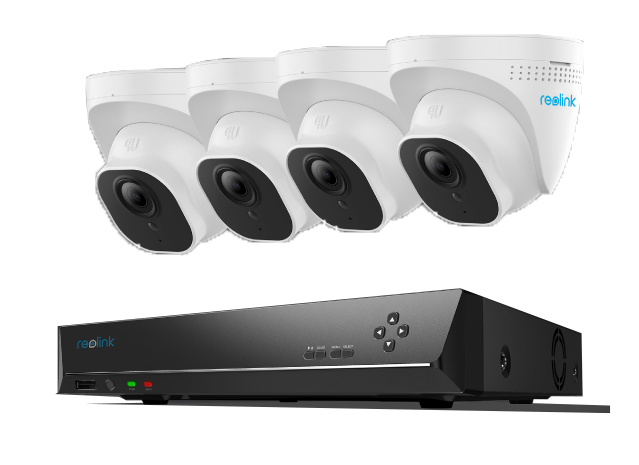
Quality-focused homeowners appreciate lifetime service because it incentivizes equipment excellence rather than minimum viable products designed to drive subscription revenue. Savvy Surveillance installs Reolink systems, professional-grade cameras built for extended operational life rather than consumer devices engineered for replacement cycles. This quality focus means fewer equipment failures, longer operational life, and better long-term value compared to subscription systems using equipment optimized for low initial cost rather than durability.
Privacy-conscious homeowners strongly prefer lifetime service with local storage over subscription cloud systems. Local recording keeps all footage under homeowner control, eliminating concerns about data breaches at cloud providers, unauthorized access by company employees, government data requests, or changes to privacy policies and data retention practices. Houston homeowners value this privacy protection, especially for cameras covering interior spaces, children's play areas, or other sensitive locations.
The Break-Even Calculation
Every potential customer should perform a break-even analysis comparing subscription and lifetime service total costs over their expected ownership period. Start with realistic ownership duration (typically 5-10 years for Houston homeowners), factor in annual subscription rate increases, add equipment replacement costs and hidden fees, then compare this total to lifetime service investment plus any expected maintenance over the same period.
Most Houston homeowners discover that break-even occurs within 18-24 months, after which point every month of continued ownership increases lifetime service value. This analysis becomes even more favorable when including opportunity cost of monthly subscription payments. Money spent on monthly monitoring could instead fund home improvements, emergency savings, or investments generating returns rather than disappearing into perpetual security fees providing minimal incremental value.
The break-even calculation should also consider equipment quality differences between subscription and lifetime service offerings. Consumer-grade cameras from subscription services rarely match professional equipment longevity, creating hidden replacement costs when devices fail outside warranty periods. Professional security camera installation using commercial equipment typically delivers 8-10 year operational life, whereas consumer devices often require replacement after 4-5 years, distorting the break-even analysis if equipment longevity isn't properly factored.
Making the Switch from Subscription to Lifetime Service
Houston homeowners already locked into subscription security systems can still transition to lifetime service models, though timing and approach matter significantly for minimizing waste and maximizing value. Understanding contract terms, equipment ownership, and strategic transition timing helps customers escape subscription traps without excessive financial penalty.
Understanding Contract Obligations
Before canceling subscription services, carefully review contract terms including remaining duration, early termination fees, equipment ownership, and final payment requirements. Most subscription contracts specify who owns the installed equipment. Some companies provide equipment as part of the subscription, meaning you must return it when canceling service. Others sell equipment separately, allowing you to keep cameras and recorders even after ending monitoring subscriptions.
Calculate the early termination fee versus remaining monthly payments to determine whether paying the penalty provides overall savings. Some Houston homeowners discover that paying 75% of remaining subscription balance costs less than continuing service they no longer want for another year or two. This especially applies when planning to install lifetime service systems anyway, as the termination fee accelerates the break-even point where new investment begins generating savings.
Contract expiration provides the cleanest transition opportunity, allowing cancellation without penalty while retaining any equipment you purchased. Plan your lifetime service installation to coincide with contract expiration, ensuring minimal security gap during the transition. Some homeowners maintain both systems briefly during overlap periods, providing continuous coverage while testing new equipment before fully decommissioning the subscription system.
Leveraging Existing Infrastructure
Subscription systems leaving behind usable infrastructure sometimes reduce lifetime service installation costs. Existing mounting locations may be reusable for new cameras if properly positioned. Conduit runs for power and data cables often remain serviceable, avoiding the need to drill new wall penetrations or run additional wiring. Some subscription recorders continue functioning as basic storage devices even after cloud service cancellation, providing temporary backup recording during transition periods.
However, subscription equipment quality rarely matches lifetime service installations, so complete replacement usually proves worthwhile despite any reusable infrastructure. Consumer cameras lack the durability, resolution, and features of professional equipment, and reusing inferior cameras negates much of the value from upgrading to lifetime service. Most Houston homeowners transitioning from subscription to lifetime service plan for complete equipment replacement, treating any salvageable infrastructure as bonus cost savings rather than primary strategy.
POE camera installations require proper network infrastructure that subscription systems may or may not provide. WiFi subscription cameras leave no wiring to reuse, requiring complete new installation of ethernet cables. Some professionally installed subscription systems include ethernet wiring that POE cameras can utilize, reducing new installation costs. Evaluate existing infrastructure carefully before assuming reusability, as improper wire gauge, inadequate shielding, or poor routing often means replacement delivers better long-term reliability.
Timing Your Transition
Strategic timing of the subscription-to-lifetime transition maximizes value and minimizes gaps in security coverage. The ideal transition occurs at contract expiration, avoiding early termination fees while allowing deliberate planning of new installation. Houston homeowners approaching contract expiration should contact lifetime service providers 2-3 months in advance, allowing time for system design, equipment ordering, and installation scheduling before subscription service ends.
Seasonal timing considerations matter in Houston's climate. Avoid major installation work during peak summer heat (July-August) when outdoor work proves most challenging for installers and equipment. Spring (March-May) or fall (October-November) provide optimal conditions for exterior installations, with moderate temperatures and lower likelihood of storm disruptions. Hurricane season (June-November) requires additional care in scheduling to avoid installation during tropical weather threats.
Financial planning for the transition should account for the initial investment in lifetime service equipment and installation. Houston homeowners may need several months to budget for this expense after years of manageable monthly subscription payments. Some lifetime service providers offer financing options making the initial investment more manageable, though interest charges reduce some value advantages compared to subscription models. Evaluate financing carefully to ensure the total financed cost still maintains clear advantages over continued subscription payments.
Frequently Asked Questions
Don't subscription systems provide better technology and features?
Subscription companies market their services as providing access to cutting-edge technology and continuous upgrades that one-time purchases cannot match. This claim reverses actual market reality. Professional equipment used in lifetime service installations typically offers superior specifications, durability, and features compared to consumer devices sold by subscription companies. The difference lies in target market, subscription systems optimize for low initial cost and planned replacement cycles, while professional equipment optimizes for extended operational life and comprehensive capabilities.
Feature access represents another misleading aspect of subscription marketing. Subscription systems often include cameras with advanced capabilities (4K resolution, color night vision, AI detection) but lock these features behind premium subscription tiers. You purchase expensive equipment then pay additional monthly fees to unlock capabilities the hardware already possesses. Lifetime service systems provide full access to all equipment features immediately upon installation, no ongoing payments required to utilize what you purchased.
Technology advancement rates in security cameras have slowed considerably compared to early development periods. A professional 4K camera from 2020 remains completely current in 2025, with resolution standards, compression technology, and core features largely stable. Claims that equipment requires constant upgrading to maintain effectiveness serve subscription company financial interests, not customer needs. Well-chosen professional equipment continues delivering effective security for 8-10 years, far exceeding the 3-5 year replacement cycles subscription models promote.
What happens if I need technical support with lifetime service?
Lifetime service includes ongoing technical support at no additional charge, addressing one of the primary concerns homeowners express about moving away from subscription models. Savvy Surveillance provides free lifetime technical assistance for all installed systems, including troubleshooting connectivity issues, software configuration questions, system modifications, and equipment failures. This support continues indefinitely regardless of how long you've owned the system.
The key difference between subscription and lifetime technical support lies in business model incentives. Subscription companies must minimize support costs to protect profit margins on recurring revenue, often providing inadequate assistance that frustrates customers into accepting problems rather than demanding solutions. Lifetime service companies succeed by delivering installations that operate reliably with minimal support requirements, then standing behind their work when assistance becomes necessary.
Houston homeowners receive local technical support from providers familiar with regional climate challenges, common installation issues, and specific equipment behaviors under Texas conditions. This local expertise proves far more valuable than national call centers staffing subscription technical support, where representatives lack knowledge of Houston's unique requirements and cannot dispatch local technicians for onsite service calls when remote troubleshooting proves insufficient.
Can I finance lifetime service equipment like subscription systems?
While subscription models spread costs through monthly payments, several Houston lifetime service providers offer financing options making initial equipment investment more manageable. However, financed lifetime service costs should be carefully compared to subscription total expense ensuring that financing charges don't eliminate the value advantage. Short-term financing (12-24 months) typically maintains clear benefits compared to 36-month subscription contracts, while longer financing periods may not.
The critical distinction is that financed lifetime service has a defined payoff date after which ownership continues with zero ongoing costs, whereas subscriptions continue indefinitely. A homeowner financing lifetime service equipment knows exactly when payments end and full ownership begins. Subscription customers never achieve this payoff, instead continuing monthly payments for as long as they want the system to function, essentially renting equipment they'll never own.
Some Houston homeowners prefer paying the full lifetime service investment upfront despite financing availability, viewing security systems as capital improvements similar to HVAC systems or roof replacements rather than ongoing services like internet or utilities. This perspective aligns security system ownership with other home infrastructure investments, providing appropriate financial context for evaluating the initial expense.
What about cloud storage backups in case of theft?
Local storage vulnerability to theft represents a legitimate concern, as criminals stealing recording equipment eliminate video evidence of their crime. However, this concern applies equally to subscription systems where smart criminals cut internet connections before entering, preventing cloud uploads. Additionally, proper installation places recording equipment in secure locations not readily accessible to intruders, reducing theft vulnerability.
Modern POE camera systems offer multiple backup options without subscription requirements. Cameras with SD card backup store footage both locally in the recorder and on individual camera memory cards, ensuring evidence preservation even if recorders are stolen. Network attached storage systems can receive redundant copies of important footage, providing off-device backup without cloud subscriptions. Alert-based cloud upload options capture and transmit critical events without requiring continuous cloud recording subscriptions.
The theft backup argument overlooks the primary security system purpose, deterring crime rather than documenting it. Visible cameras and clear signage warning of surveillance typically prevent incidents rather than simply recording them. Houston criminals target properties without obvious security, avoiding homes with comprehensive camera coverage that increases their risk of identification and apprehension. Effective security prevents theft rather than just documenting it afterward, making backup recording less critical than deterrence capability.
How do I know lifetime service will actually last the system's life?
Legitimate concerns about company longevity and long-term service commitments warrant careful evaluation. Customers should research provider reputation, business history, and local presence before trusting lifetime service promises. Savvy Surveillance's established presence serving Houston since 2015 demonstrates commitment to local customers and ability to maintain service through business cycles and industry changes.
Lifetime service economic model proves more sustainable than subscription approaches because profitability comes from satisfied customers generating referrals and repeat business for expansions rather than extracting recurring revenue from captive contracts. Companies succeeding with lifetime service must deliver quality installations requiring minimal support, aligning business incentives with customer satisfaction. Subscription companies profit from problematic equipment requiring replacement and continuous service, creating inverse incentive structures.
Documentation and warranty terms provide additional protection for lifetime service customers. Written service agreements specifying ongoing support obligations create enforceable commitments independent of verbal promises. Equipment manufacturer warranties complement lifetime service guarantees, ensuring component replacement for defective devices even if the installation company experiences problems. Professional-grade equipment from reputable manufacturers like Reolink includes substantial manufacturer support independent of local installers.
Conclusion: Making the Investment That Protects Your Investment
Houston homeowners face critical security decisions requiring thoughtful analysis beyond initial marketing appeals. The subscription versus lifetime service choice fundamentally shapes your security system expense, control, and long-term value over years or decades of ownership. While subscription companies leverage convenient monthly payments and minimize upfront costs to attract customers, lifetime service models deliver dramatically superior value for homeowners planning extended property ownership typical in Houston's stable real estate market.
The financial mathematics favor lifetime service overwhelmingly for the typical Houston homeowner keeping their property 5+ years. Break-even occurs within 18-24 months, after which every month of continued ownership increases your savings versus subscription models continuing indefinitely. These savings reach substantial amounts over realistic 10-year ownership periods, easily justifying higher initial investment in quality equipment and professional installation.
Beyond direct financial comparisons, lifetime service provides control, privacy, and ownership that subscription models cannot match. Your recordings stay in your home under your control. Your system continues operating without dependence on external companies that might change terms, increase prices, or discontinue services. You own your security equipment outright rather than renting capabilities you'll never fully possess.
The security needs of Houston properties require reliable, affordable protection that subscription models increasingly fail to provide. Monthly fees burden household budgets, contract commitments create inflexibility, and equipment quality optimized for replacement cycles rather than longevity diminishes protective capability. Lifetime service addresses these shortcomings through professional-grade equipment, comprehensive initial installation, and genuine ongoing support without perpetual charges.
Your home represents your largest investment and your family's primary shelter. Protecting this investment with effective security technology should involve ownership and control, not rental arrangements benefiting equipment companies more than customers. Lifetime service delivers the comprehensive protection Houston properties deserve while respecting homeowners' financial interests through fair, sustainable pricing that actually serves customer needs.
Contact Savvy Surveillance to discuss lifetime service security camera installation for your Houston property, and discover how professional equipment, quality installation, and genuine lifetime support provide security without the subscription trap.
